


Recomendaciones para hacer la mejor exposición en el aula
Cuando se habla de exposición oral en el aula se hace referencia a la técnica que le permite al estudiante a hablar en clase y presentar de forma oral un tema ante sus compañeros y el docente, de una forma ordenada y con el fin […]
Consejos
Formas de proteger información si te han robado el móvil
Los móviles son uno de los objetos que los ladrones suelen robar con frecuencia, es por ello que hay que estar atentos si han sido víctimas de este tipo de robos y cómo deben proteger sus datos personales. Es importante destacar que los equipos tienen […]
Consejos
Como aumentar la señal WiFi del móvil
Una de las grandes ventajas que tienen los teléfonos celulares, es que son dispositivos diseñados específicamente para la comunicación, por lo que es común que estos dispongan de suficiente señal. Sin embargo, no siempre tienen buena señal y no permite que los usuarios puedan comunicarse […]
Actualidad



Recomendaciones para hacer la mejor exposición en el aula
Cuando se habla de exposición oral en el aula se hace referencia a la técnica que le permite al estudiante a hablar en clase y presentar de forma oral un tema ante sus compañeros y el docente, de una forma ordenada y con el fin […]
Consejos Formas de proteger información si te han robado el móvil
Los móviles son uno de los objetos que los ladrones suelen robar con frecuencia, es por ello que hay que estar atentos si han sido víctimas de este tipo de robos y cómo deben proteger sus datos personales. Es importante destacar que los equipos tienen […]
Consejos Como aumentar la señal WiFi del móvil
Una de las grandes ventajas que tienen los teléfonos celulares, es que son dispositivos diseñados específicamente para la comunicación, por lo que es común que estos dispongan de suficiente señal. Sin embargo, no siempre tienen buena señal y no permite que los usuarios puedan comunicarse […]
Actualidad
Razones para instalar una cámara de vigilancia
Las cámaras de vigilancia son una excelente opción para resguardar su negocio del ataque de delincuentes, a precios muy asequibles. Puede consultar con su cerrajero en Barcelona de confianza respecto a estos dispositivos, sin embargo, hoy se dará a conocer algunas de las más destacadas […]
Actualidad
Robos de celulares continúa en aumento
A pesar de todas las facilidades que brindan las tiendas que venden celulares, estos siguen siendo uno de los elementos preferidos por los delincuentes, y por ello, siempre aplican técnicas que confundan a las víctimas y así robar el móvil. Algo similar ocurre, cuando no […]
Actualidad
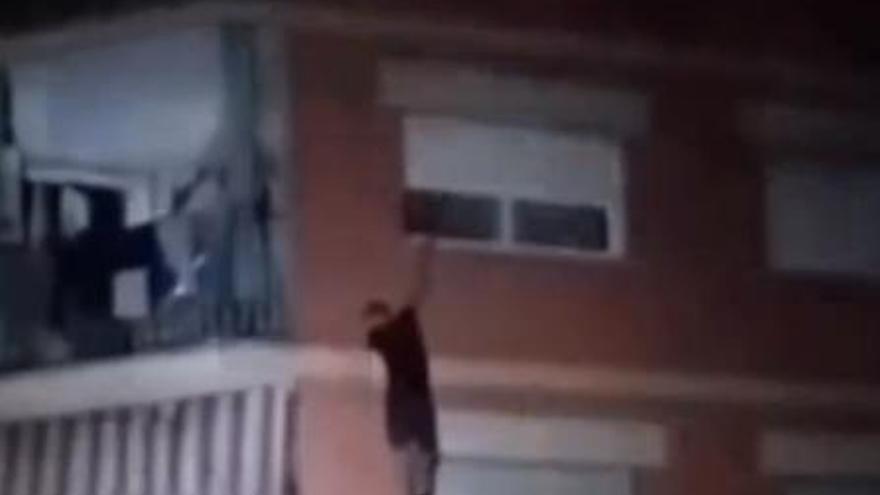
Escalar fachadas para robar en Barcelona
Esta técnica de robo se ha convertido en tendencia desde hace muy poco tiempo, los Mossos d’Esquadra detuvieron en un solo mes a más de 12 malhechores que accedieron a viviendas mediante ventanas y balcones. La protección del inmueble contra la entrada de personas indeseadas, […]
ActualidadEsta técnica de robo se ha convertido en tendencia desde hace muy poco tiempo, los Mossos d’Esquadra detuvieron en un solo mes a más de 12 malhechores que accedieron a viviendas mediante ventanas y balcones.
La protección del inmueble contra la entrada de personas indeseadas, no solo es para la puerta principal, durante el verano los Mossos detectaron un sinfín de robos en pisos a los cuales accedieron por ventanas y balcones.
Entre los detenidos estos acumulaban más de 60 antecedentes por delitos contra el patrimonio, según los informes que tiene la policía.
Cuidado con ventanas abiertas
El acceso a la vivienda mediante la escalada de fachadas no es algo nuevo. Cerrajeros de Barcelona han destacado que el aumento de temperaturas y la cercanía del verano puede favorecer este tipo de actos, cuando llega el buen tiempo, los malhechores aprovechan porque detectan ventanas abiertas y situaciones de inseguridad.
En algunos momentos del año estas situaciones son reducidas, la policía indica que los ladrones utilizan elementos de la fachada, como relieves, balcones o salientes de plantas bajas, para acceder a la vivienda, contra esta clase de actuación, los Mossos han comenzado una campaña de información y concienciación de cara al ciudadano.
con la finalidad de neutralizar riesgos en un momento en el que los robos tienen un repunte con respecto a semanas anteriores.
Seguridad ante todo
Es recomendable cerrar la puerta con llave antes de salir de casa, cerrar ventanas y ajustar persianas, poner elementos de seguridad para impedir que se abran las ventanas, comprobar si existen elementos en la fachada que faciliten el acceso al piso.
Los agentes activaron las patrullas en zonas donde se hayan detectado robos, recuerdas que la colaboración ciudadana es determinante a la hora de alertar de posibles hurtos en domicilios.
Detenidos dos ladrones por colocar marcador en edificio
Los Mossos en patrullaje han detenido a dos malhechores a la salida de un edificio donde habían colocado 14 marcadores para luego entrar a robar, al momento de la detención, estos tenían material para marcar los pisos donde pensaban robar.
Los dos implicados no tenían antecedentes policiales, acabaron arrestados y han pasado a disposición judicial, el pasado mes de mayo, la policía realizó un operativo para evitar robos en domicilios.
En ese momento detuvieron a tres hombres que colocaron marcadores en domicilios, dos de estos accedían al edificio cuando entraban los vecinos y después colocaban los marcadores.
A principios de este año los Mossos detuvieron en diversos operativos a más de 25 personas, de las cuales 19 tenían tentativa de robos a domicilios.
Desmantelaron una organización que cometía atracos
Los cuerpos de seguridad han realizado un operativo para desactivar una organización que cometía atracos en locutorios y establecimientos de envió de dinero, se realizó en diversos lugares de Barcelona, en donde se detuvieron a 5 personas con armas, dinero en efectivo y drogas.
Tanto la Guardia Civil como los Mossos están atentos ante el llamado de personas que son robadas en diversas zonas de Barcelona, para detectar los malhechores y a su vez apresarlos por los daños ocasionados.

Tendencias de tecnología para edificios
La sostenibilidad es un punto importante, tener espacios de trabajo adecuados para sus usuarios, los clientes tienen objetivos ambiciosos ya fijados y esperan que los proveedores los sigan y los ayuden a alcanzarlos. Los edificios no se construyen ni funcionan solos, es importante que los […]
Tecnología
¿La inteligencia artificial puede mejorar la seguridad ciudadana?
Una tecnología tan avanzada como la inteligencia artificial, puede optimizar la seguridad ciudadana de muchas formas, brindándoles así mayor protección a sus habitantes y facilitando sus tareas diarias. Asimismo, las ciudades que utilizan este tipo de tecnologías pueden mejorar la calidad de vida de los […]
Tecnología
Conoce las diferencias entre la domótica y el internet de las cosas
En la actualidad están cada vez más presentes las viviendas inteligentes, es por ello que términos como la domótica y el internet de las cosas están cada vez más presentes, sin embargo, en algunas ocasiones es común que las personas se confundan. Por consiguiente, en […]
Actualidad
Gadgets diseñados para proteger a sus hijos
Muchos adultos afirman que los tiempos han cambiado, así como se ha incrementado la necesidad de contratar cerrajeros para instalar dispositivos de seguridad, también es importante tomar medidas para que los niños puedan jugar con libertad, sin la paranoia justificada que ataca a los padres […]
Tecnología


